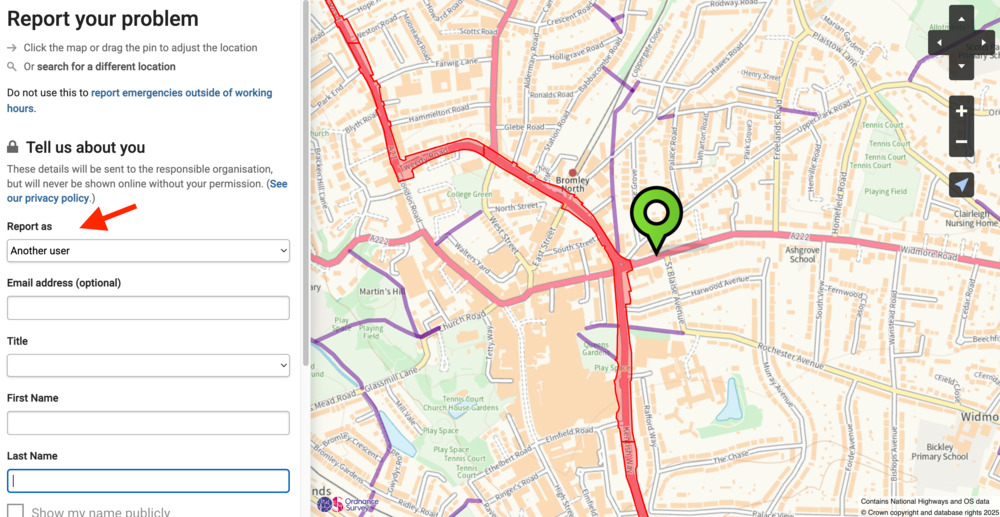
We forward your report to TWIN and Invite Public Engagement
Our Mission
Evidence-Driven Water Protection
Network of Networks
Connecting residents, researchers, and local organizations to surface water issues faster.
Ripple Effect
Community proof turns into change.
Solid Community
A united group committed to preserving ocean ecosystems and marine species
WaterProtector: Make Water Harm Visible
WaterProtector is a civic platform for reporting water-related problems—pollution, flooding, illegal dumping, failing infrastructure, and access issues. Each submission becomes a public record with evidence and location, helping communities track patterns, prioritize response, and follow outcomes over time. The goal is simple: fewer hidden problems, faster action, and stronger protection from basin to neighborhood.
of the world’s freshwater flows through transboundary waters—shared rivers, lakes, and aquifers.
153
Countries share at least one transboundary river/lake basin (there are 286 such basins, plus 592 transboundary aquifer systems).
2.2 Billion
People still lacked safely managed drinking water
83%
average decline in monitored freshwater species populations since 1970
Water issues don’t stay local. WaterProtector collects on-the-ground reports, validates evidence, and maps patterns across communities—so problems get fixed faster and accountability is public.
Our Initiatives
Water is Everything. We work to share it.
Diplomacy
While diplomacy around water security through official government channels has varying levels of success, unofficial exchanges between scientists and communities across borders play an important role in the solution of international conflict and in the management of socio-ecological systems that span across man-made borders. This type of diplomacy is known as Track Two and Track Three diplomacy — the former being between scientists, academics, civil society organizations, and the latter between communities at the grassroots level.
TWIN Portal
Crowdsourcing data to gather an inclusive response from a broad range of stakeholders in each basin to identify feasible portfolios of NBS and facilitate fund-raising from international agencies and social capital investors to implement the prioritized NBS.
Professional Training
TWIN offers professional training for individuals and organizations interested in solving transboundary water issues. By gaining knowledge and tools in both the scientific and technical side of water management as well as concrete skills in conflict mediation and peace-building, TWIN hopes to stimulate cooperation and collaboration to address the complex problems of transboundary waters.